
This guide provides a balanced look at Best Non Custodial Wallets, covering both its advantages and practical considerations.
December 2025 refresh — Best Non Custodial Wallets analysis curated by Sienna Morris.
Understanding Non-Custodial Wallets
Non-custodial wallets are a type of cryptocurrency wallet that enables users to maintain complete control over their private keys. This contrasts with custodial wallets, where a third-party service manages the private keys on behalf of the user. In a non-custodial wallet, users have the responsibility of securing their keys, which means they are solely accountable for their funds.
The concept of a non-custodial wallet is pivotal in the cryptocurrency ecosystem. It refers to a tool that enhances user autonomy and emphasizes the core principle of decentralization. When using a non-custodial wallet, it is defined as a safeguard against central authority, enabling users to ensure their assets are not subject to the control or influence of external entities.
Characteristics of Non-Custodial Wallets
Several characteristics differentiate non-custodial wallets from their custodial counterparts.
One primary feature is that non-custodial wallets are designed to store private keys locally on the user’s device. This means that users have direct access to their funds without relying on a third party. The representation of this control is vital, as it aligns with the principles of privacy and self-sovereignty that are fundamental to cryptocurrency.
Another significant characteristic is the variety of interfaces available. Non-custodial wallets can come in various forms, including software (desktop or mobile applications) and hardware wallets, which provide additional security by storing keys offline. Each type represents different priorities regarding convenience, security, and user experience.
Security is a cornerstone of non-custodial wallets. Users must implement their security measures, often including seed phrases and recovery keys that are critical for recovering assets in case of device loss. Consequently, the user’s understanding of security practices is essential in ensuring the protection of their cryptocurrency holdings.
Types of Non-Custodial Wallets
Non-custodial wallets can be broadly categorized into several types, each defined by its specific use case and user interface.
Software Wallets
Learn more about Best Non Custodial Wallets insights
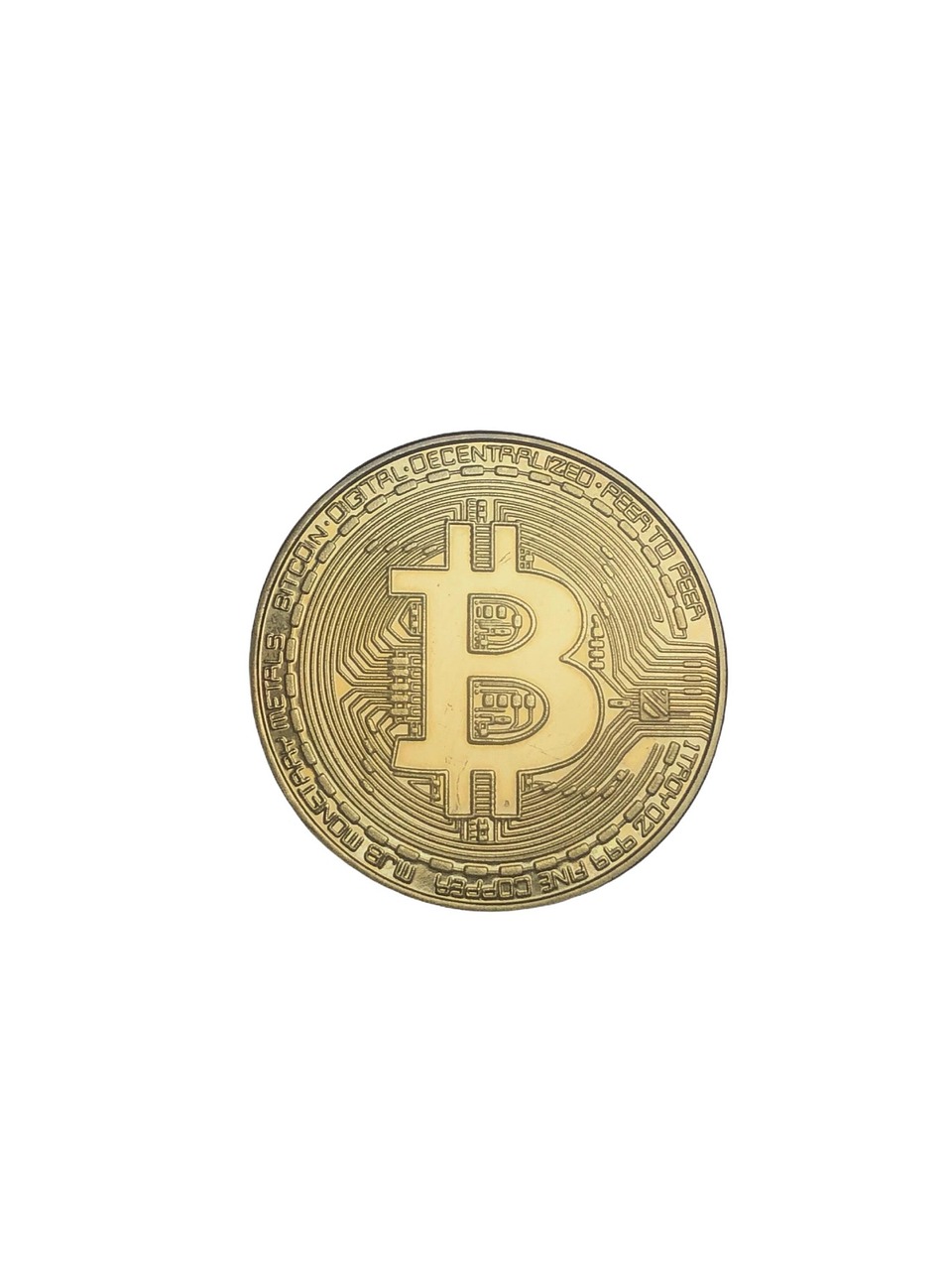
Software wallets are applications that can be installed on devices such as computers and smartphones. They allow users to send, receive, and store cryptocurrencies with relative ease. Users interact directly with their wallet through the software interface, meaning they manage their private keys independently.
One common representation of these wallets is through web-based interfaces, where users can access their accounts from any internet-connected device. While they offer convenience, these wallets often require users to ensure their devices are secure from malware and phishing attacks.
Mobile Wallets
Mobile wallets are a subset of software wallets specifically designed for smartphones. They enable users to perform transactions on the go, making them an appealing option for everyday use. Mobile wallets usually represent a balance between speed and convenience, allowing quick access to funds for daily transactions.
Like software wallets, mobile wallets require users to be vigilant about security since they are potential targets for hacking or theft. The interface is usually user-friendly, designed for frequent interactions, often featuring functionalities such as QR code scanning.
Hardware Wallets
Hardware wallets are physical devices designed to securely hold cryptocurrency keys offline. This enhanced security means that hardware wallets are generally considered one of the safest ways to store digital assets. Hardware wallets represent an additional layer of protection by isolating private keys from internet-connected devices.
Users must perform operations such as signing transactions directly on the hardware device, minimizing exposure to online threats. The use of hardware wallets is defined as a practice for those with significant cryptocurrency holdings who prioritize security over convenience.
Paper Wallets
A paper wallet is defined as a physical document that contains a user’s public and private keys. Users often generate these wallets using a random number generator and print out the information securely offline. This method represents a form of cold storage, as it keeps the keys completely disconnected from the internet. Explore the latest Best Non Custodial Wallets trends

While paper wallets may be considered secure, they come with risks, such as physical damage or loss of the document itself. Users must ensure their paper wallets are stored in a safe environment to protect them from degradation or accidental destruction.
Pros and Cons of Using Non-Custodial Wallets
Using a non-custodial wallet presents distinct advantages and disadvantages, which every user should consider.
Advantages
One major advantage is complete control over private keys. Users do not have to trust another party with their assets and can independently manage their funds. This level of autonomy means that users can transact according to their personal preferences without restrictions.
Additionally, non-custodial wallets typically enhance privacy. Since users are not required to share personal information with a third party, their transactions remain more private compared to custodial services which often require extensive KYC procedures.
Non-custodial wallets often support a wide range of cryptocurrencies, allowing users to consolidate their digital assets in one place. This flexibility means that managing various currencies is streamlined, facilitating ease of use in today’s multi-token ecosystems.
Disadvantages
On the other hand, the responsibility of managing private keys also comes with potential drawbacks. If a user loses access to their private keys or recovery phrases, they may permanently lose access to their funds. This reality signifies that users must diligently manage their security practices.
Additionally, the user experience can vary greatly depending on the wallet interface and its features. Some non-custodial wallets may lack the level of customer support typically associated with custodial wallets, as users must navigate technical issues independently.
Recommendations for Choosing a Non-Custodial Wallet
Deep dive into Best Non Custodial Wallets research

When selecting a non-custodial wallet, certain factors should be taken into account.
Firstly, the wallet’s security features are paramount. It is essential to ensure that the wallet employs robust encryption and offers backup options. Wallets with additional authentication layers, such as two-factor authentication, are often more secure.
The user experience should also be carefully considered. An intuitive interface can significantly enhance the user’s ability to manage their funds effectively. Analyzing user reviews and community feedback can provide insights into the wallet’s usability.
Moreover, compatibility with various cryptocurrencies is crucial. Users should verify that their chosen wallet supports the specific assets they intend to hold. This type of versatility allows for flexibility and convenience in managing diverse portfolios.
Lastly, continued updates and community support are indicative of a wallet’s reliability. Developers who regularly maintain and improve their wallets often provide better security and user experience over time.
Conclusion
Non-custodial wallets empower users by granting them control over their digital assets, aligning with the decentralization ethos of cryptocurrency. Defined as tools for maintaining one’s financial autonomy, these wallets represent a necessary component of the broader cryptocurrency infrastructure.
While non-custodial wallets offer numerous benefits, they also impose responsibilities on users regarding security and asset management. Understanding the characteristics, types, pros, and cons of non-custodial wallets allows individuals to make informed choices about their cryptocurrency storage options.
For those looking to delve into the world of non-custodial wallets, thorough research and careful consideration should be practiced. Such foundations will ensure a well-rounded approach to navigating the complexities of cryptocurrency storage and management, reinforcing the significance of user empowerment in this evolving digital landscape.
🔍 Top Takeaways
- Regulatory clarity may accelerate innovation tied to Best Non Custodial Wallets.
- Risk management remains essential when applying Best Non Custodial Wallets in live markets.
- Cross-platform compatibility is increasing the practical value of Best Non Custodial Wallets.
How does regulation impact Best Non Custodial Wallets?
Regulation affects Best Non Custodial Wallets by shaping compliance expectations, reporting rules and how crypto information is distributed.
What should traders know before using Best Non Custodial Wallets?
Before using Best Non Custodial Wallets, traders should understand their goals, gather reliable data and avoid emotional or rushed decisions.
How does Best Non Custodial Wallets compare to similar crypto concepts?
Best Non Custodial Wallets differs from similar concepts by focusing on simplified insights that support faster and more accurate decisions.