Reviewed by Sienna Morris on January 21, 2026 at 04:29 PM. Recent evaluations of currency trading charts have identified emerging trends and adjustments in analytical techniques used by traders.
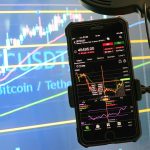
Currency trading charts are graphical representations that display the historical price movements of currency pairs in the forex market. They are essential tools in the analysis process, helping traders to predict future price trends and make informed trading decisions. These charts can vary in type, including line charts, bar charts, and candlestick charts, each offering different insights based on the data they represent.
The primary purpose of currency trading charts is to provide a visual representation of price fluctuations over time. By analyzing these charts, traders can identify patterns, support and resistance levels, and potential entry or exit points for trades. Understanding the nuances of these charts can significantly impact trading strategies, allowing for data-driven decisions that enhance trading outcomes.
Currency trading charts are not suited for every trading style or market condition. For instance, they may not be ideal for long-term investing strategies that rely heavily on fundamental analysis. Traders focused on macroeconomic factors might prefer to analyze economic reports and geopolitical news instead. In environments with limited volatility, such as during major economic announcements, charts may produce misleading signals due to sudden price spikes. Additionally, inexperienced traders might over-rely on technical indicators presented on these charts without considering market fundamentals, leading to increased risks and potential losses.
Currency trading charts work by displaying price data over time, which is collected at predetermined intervals, such as minutes, hours, or days. Each type of chart provides different forms of insight:
– Line charts focus on closing prices, providing a straightforward view of price movements.
– Bar charts offer additional information by showing opening, closing, high, and low prices during the selected time frame.
– Candlestick charts are particularly popular as they visually represent price movements and market sentiment through colored bodies and wicks. Essential tools in the analysis

Understanding the differences and applications of these chart types is crucial for traders in the cryptocurrency market.
1. Familiarity with Chart Types: Traders should start by familiarizing themselves with the various types of currency trading charts, such as line, bar, and candlestick charts, to determine which best suits their trading strategy.
2. Identify Trends: Analyze these charts to identify trends, patterns, and key levels of support and resistance. Recognizing these factors is critical for making timely and informed trading decisions.
3. Incorporate Technical Indicators: Utilize various technical indicators, like moving averages, Relative Strength Index (RSI), and Fibonacci retracements, to enhance insights provided by the charts. These indicators can assist in confirming trends or potential reversals.
4. Establish a Trading Strategy: Based on the analysis of the charts and indicators, establish a clear trading strategy that includes entry and exit points as well as risk management protocols. Historical price movements of currency pairs

5. Backtesting: Test your strategy using historical data from currency trading charts to refine your approach and increase your chances of success.
6. Stay Updated: Keep abreast of market news and events that may affect currency prices while simultaneously analyzing chart activity.
7. Continuously Review Performance: Regularly assess trading performance, adjusting strategies based on outcomes and ongoing chart analysis.
| Chart Type | Features | Best Used For |
|——————|————————————————————————–|———————————|
| Line Chart | Simple visualization of closing prices | Quick trend evaluation |
| Bar Chart | Shows opening, closing, high, and low prices | Detailed price metric analysis |
| Candlestick Chart| Displays open, close, high, low prices with market sentiment | Complex analysis of price action |
Currency trading charts are pivotal in navigating volatile markets like cryptocurrencies. A comprehension of the different chart types and effective analytical practices is necessary for successful trading. However, it is essential to recognize the limitations of these charts, particularly concerning specific trading approaches or market conditions. Different insights based on the data

To ensure readiness for effective usage of currency trading charts, traders must take preliminary steps towards execution. This readiness assessment includes validating that the necessary prerequisites are met, clearly defining tasks, and preparing security measures to mitigate risks associated with data interpretation.
In practice, ensuring procedural confidence involves having the required tools and conducting a step-by-step setup of trading platforms that utilize these charts. Implementing verification checks will help prevent errors in analysis and maintain accuracy in decision-making. Setting clear expectations around time commitments for analysis and trading sessions is necessary to create a structured trading routine that enhances decision quality.
Furthermore, identifying potential failure points is critical to mitigate risks. Mistakes can often lead to financial losses, thus emphasizing the importance of a friction removal approach in trading processes. Regular confidence checks lead to improved trading self-efficacy and better market performance. Finally, establishing clear go/no-go decision criteria will solidify trading commitment and action inevitability, making for a more structured trading process.
In conclusion, mastering currency trading charts can significantly refine one’s trading approach in the fast-paced world of crypto day trading. By adhering to a methodical framework and integrating both chart analysis and strategic trading practices, traders can increase their operational confidence and potentially optimize return on investment.
Key Takeaways
- Currency trading charts display historical price movements and trends, which can help traders make informed decisions based on past market behavior.
- Technical indicators, such as moving averages and Relative Strength Index (RSI), are often utilized alongside currency trading charts to identify potential entry and exit points.
- Chart timeframes can vary from minutes to daily or weekly, affecting the analysis and strategies used by traders to capitalize on short-term or long-term market movements.
What are currency trading charts?
Currency trading charts are visual representations of price movements in the foreign exchange market. They display historical data on currency pairs, allowing traders to analyze trends and make informed decisions.
How are these charts used in forex trading?
Traders use currency trading charts to identify patterns, forecast future price movements, and determine entry and exit points for trades. Technical analysis tools such as indicators and trend lines are often applied to these charts to aid in decision-making.
What are the limitations of relying on currency trading charts?
One limitation is that charts cannot predict sudden market changes caused by news events or economic shifts. Additionally, technical analysis may generate false signals, leading to potential losses if traders solely rely on chart patterns without considering broader market context.