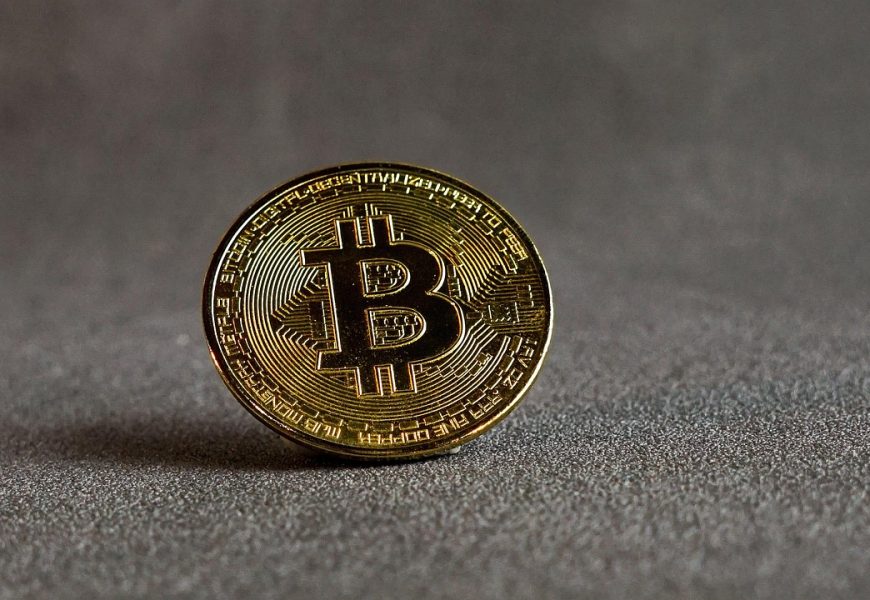
Sienna Morris reported on Thursday, February 12, 2026 at 10:44 AM that the candidacy of XRP as a potential crypto reserve has generated significant discussion around its credibility and the associated risks involved.
The potential of XRP as a candidate for a crypto reserve focuses on its capacity to enhance liquidity and facilitate cross-border transactions while addressing existing security threats, such as market volatility and regulatory scrutiny. Compliance with international financial regulations is crucial, as exposure to legal challenges could undermine stakeholder confidence. Mitigating risks involves robust oversight and the establishment of sound governance practices, which are essential to signal the credibility and legitimacy of the asset in a rapidly evolving market.
What Actually Matters
- There are potential regulatory challenges that could impact the adoption and use of this digital asset.
- Market volatility may pose significant financial risks for investors considering this option.
- Indicators of credibility include partnerships with established financial institutions and adherence to compliance regulations.
- A clear understanding of the technological framework is essential to grasp its strengths and limitations.
- Those averse to high-risk investments or who require stable financial instruments may want to refrain from involvement.
Navigating Risks and Trust in Digital Currency
The landscape of digital currencies, particularly in regulatory and safety contexts, emphasizes the importance of establishing clear boundaries to manage anxiety and foster confidence among participants. The XRP crypto reserve candidate represents a significant development within the cryptocurrency ecosystem, but as with any investment, it is essential to consider various factors that contribute to a secure environment. Understanding the potential pitfalls associated with digital currencies.
To begin, it is crucial to recognize the signals that indicate credibility and legitimacy within the domain of cryptocurrency. Established by Ripple Labs, the potential for XRP to function as an effective reserve currency hinges on factors such as partnerships with financial institutions, regulatory compliance, and transparency in operations. These elements serve as crucial indicators that can foster trust among potential investors and stakeholders. Considering the reliability of different crypto assets.
Examining potential security threats and attack vectors relating to the XRP initiative is paramount. Digital currencies face distinct vulnerabilities, including hacking attempts, regulatory changes, and operational risks. For instance, the threat of cybersecurity breaches remains prevalent across crypto platforms, where inadequate security measures could compromise user assets.
Lessons From Cryptocurrency Failures and User Safety
Examining how user errors can lead to financial losses.
Further, the aspect of regulatory compliance is an area that warrants careful scrutiny. Regulatory bodies across various jurisdictions have demonstrated increasing interest in cryptocurrency, and any deviation from compliance standards can lead to legal repercussions that affect the viability of a crypto project. The XRP crypto reserve candidate’s ongoing engagement with regulators is critical in navigating this complex landscape and ensuring that it remains a credible option for investors. Assessing the indicators of trustworthiness in cryptocurrency projects.
Historical failures within the cryptocurrency market also provide essential insights into the real consequences of neglecting safety and compliance. Events such as the collapse of exchanges or legal troubles faced by projects that have not adhered to regulations serve as cautionary tales. These past experiences highlight the significance of conducting thorough due diligence before engaging with any cryptocurrency, including the XRP crypto reserve candidate. Exploring the implications of regulatory frameworks on crypto reserves.
Additionally, common user errors can introduce another layer of risk. Mismanagement of private keys, falling victim to phishing scams, or misunderstanding regulatory requirements can expose individuals to unnecessary pitfalls. Users contemplating involvement with the XRP reserve candidate should prioritize education and implement good practices to safeguard their investments against such vulnerabilities.
Building Trust in Cryptocurrency Investments
Analyzing the impact of safety measures on investor confidence.
When considering the use of XRP as a reserve candidate, it may not be ideal for individuals or institutions looking for a highly volatile asset, as price fluctuations could pose significant risks to financial stability. Users should opt for more stable reserves or hedging options when prioritizing risk management, particularly in regulatory environments with strict compliance requirements. Additionally, those needing a fully decentralized alternative may find XRP’s underlying structure limiting, as it involves a degree of centralization that may not align with their trust criteria.
Establishing emotional boundaries is vital for creating a safe experience in the sometimes volatile world of cryptocurrencies. It is crucial for prospective investors to assess their risk tolerance and to engage only after understanding the potential outcomes fully. Identifying these boundaries can significantly reduce anxiety related to investment decisions.
While there are notable risks associated with XRP, there are also pathways for risk mitigation. The integration of practices such as robust cybersecurity measures, ongoing education about the market, and adherence to best practices in compliance can help alleviate some concerns. A proactive approach to both personal and investment safety will ultimately instill greater confidence in stakeholders.
For those considering involvement with the XRP crypto reserve candidate, it is important to delineate exit conditions. Recognizing when to walk away based on market conditions, personal circumstances, or regulatory developments can protect investors from undue losses. Establishing these criteria in advance will aid in making informed decisions that reflect one’s risk tolerance and investment goals.
In summary, trust within the context of the XRP crypto reserve candidate hinges on several key elements. Understanding safety boundaries, identifying legitimacy signals, recognizing security threats, and maintaining awareness of regulatory landscapes are crucial factors in developing a sound investment strategy. Reflecting upon historical failures can further guide expectations and enhance commitment to secure practices.
Credibility and Risk Questions
What does it mean for a cryptocurrency to be a reserve candidate?
Being a reserve candidate indicates that a cryptocurrency is considered for use as a stable store of value or backing for financial assets. This designation often comes with a need to meet certain regulatory standards, and failure to comply could lead to loss of trust from investors and regulatory bodies. However, this introduces tradeoffs that must be evaluated based on cost, complexity, or network conditions.
How can individuals or businesses make use of such a cryptocurrency?
This type of cryptocurrency can be leveraged for transactional purposes or as a hedging mechanism against market volatility. However, the actual use might be limited by regulatory compliance requirements that could restrict its applicability in certain jurisdictions or contexts.
What are the risks associated with adopting this cryptocurrency?
The primary risk lies in regulatory exposure, as changes in laws could impact the ability to use or trade the cryptocurrency. Additionally, market volatility can lead to substantial financial loss, especially if the asset is not sufficiently backed or secured. However, this introduces tradeoffs that must be evaluated based on cost, complexity, or network conditions.