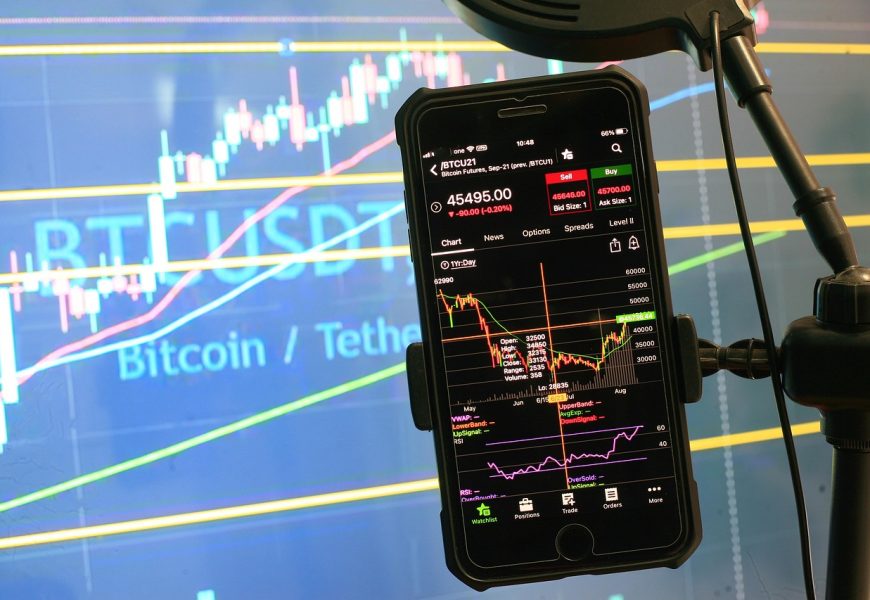
Reviewed by Sienna Morris on January 21, 2026 at 03:39 PM. Recent analyses have evaluated various approaches to optimize trading strategies on Binance, focusing on risk management and market trends.
A Binance trading strategy refers to a systematic approach to buying and selling cryptocurrencies on the Binance exchange. It encompasses various techniques and tools intended to maximize returns while minimizing risks. This strategy is essential due to the inherent volatility of cryptocurrency markets, requiring traders to adopt methods that align with their risk tolerance and investment goals.
A well-structured trading strategy on Binance includes several components: market analysis, technical indicators, risk management techniques, and a robust execution plan. These elements help traders navigate the unpredictable nature of crypto assets efficiently, ensuring informed decision-making.
The most common market analysis methods are fundamental analysis and technical analysis. Fundamental analysis reviews the underlying value of cryptocurrencies based on factors like technology, market trends, and project fundamentals. In contrast, technical analysis relies on historical price data and market psychology, utilizing patterns and signals to predict future movements. Systematic approach to buying and selling cryptocurrencies
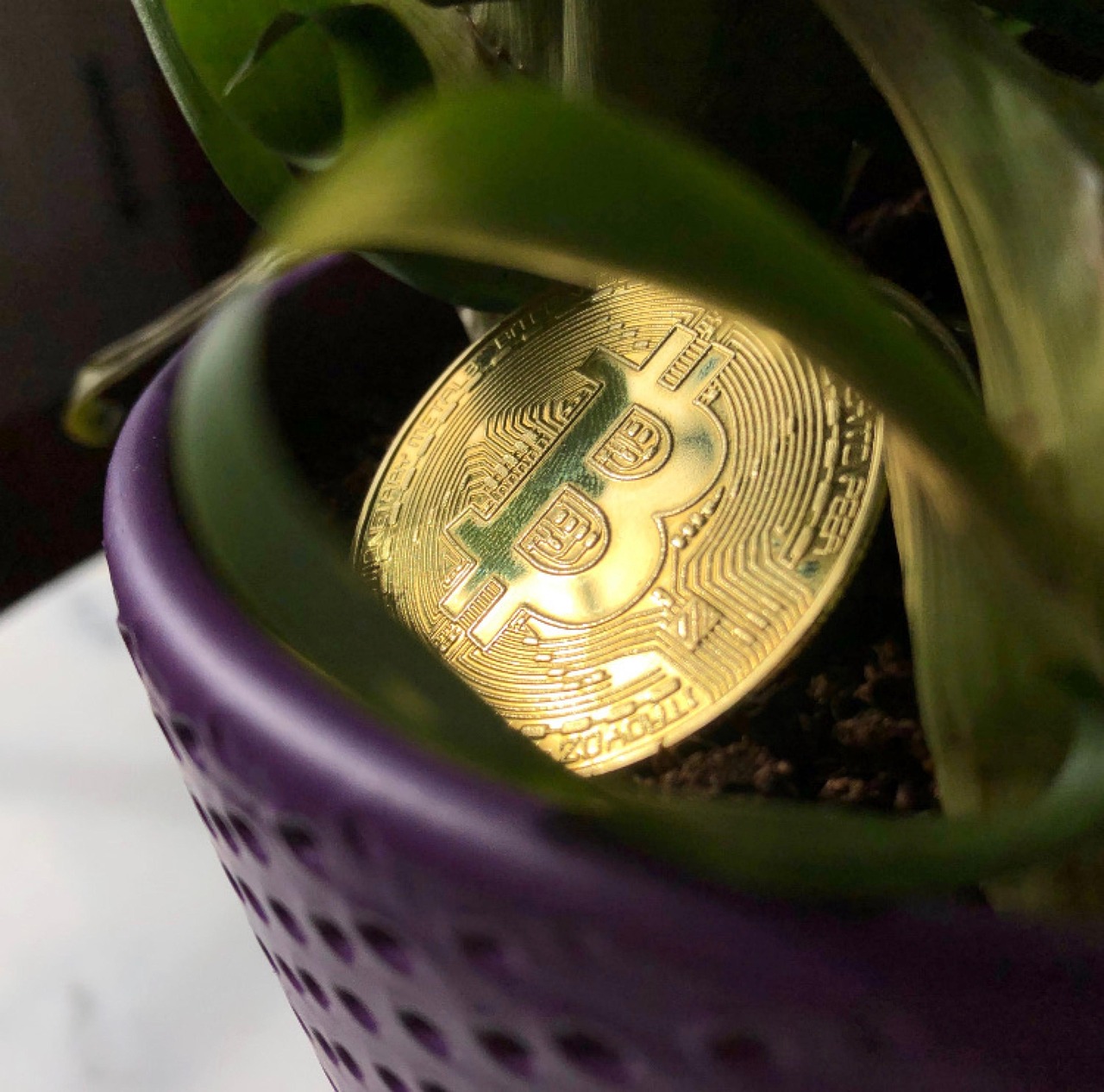
Technical indicators play a vital role in shaping a trading strategy. Tools such as Moving Averages (MA), Relative Strength Index (RSI), and Bollinger Bands are commonly used to identify trading opportunities. These indicators assist traders in recognizing trends and potential reversal points, improving the accuracy of their trades.
Risk management is crucial in any Binance trading strategy. It aims to protect capital from significant losses and includes setting stop-loss orders, diversifying investments, and defining position sizes. Proper risk management methodologies can mitigate the adverse effects of market volatility, preserving both capital and psychological resilience.
A successful execution plan is the final element of an effective trading strategy. This plan should include entry and exit points, as well as the criteria for making trades. Consistency in execution reduces emotional trading and enhances discipline, which is essential for long-term trading success. Techniques and tools intended to maximize returns

The market for Binance has grown exponentially, with over 600 cryptocurrencies available for trading as of recent industry audits. Traders must continuously adapt their strategies to align with changing market conditions and regulatory environments, as only strategic clarity ensures sustainability in trading.
However, implementing a Binance trading strategy is not without its limitations. In certain scenarios, such a strategy might not be suitable for traders who cannot commit to the time necessary for in-depth analysis and decision-making. Additionally, those who experience frequent emotional decision-making may find traditional trading strategies less effective. Moreover, individuals who rely solely on automated trading systems without a fundamental understanding of market mechanics may encounter detrimental outcomes.
1. Failure to recognize the fast-paced changes in crypto markets can lead to substantial losses.
2. Relying exclusively on historical data without considering current market sentiment may result in ineffective trades.
3. Neglecting to incorporate a robust risk management framework exposes investors to heightened financial exposure. Methods that align with their risk tolerance and investment goals

Understanding these tradeoffs is crucial for users to determine when it is more beneficial to adopt a hybrid approach or seek alternative trading strategies.
Process for Developing a Binance Trading Strategy
1. Conduct thorough market analysis, both fundamental and technical.
2. Define specific trading goals and risk tolerance levels.
3. Select applicable technical indicators and tools.
4. Establish a clear risk management framework.
5. Develop an execution plan with defined entry and exit points.
6. Regularly review and adjust the strategy based on performance and market changes.
7. Stay informed on industry updates and regulatory shifts.
| Trading Aspect | Description | Importance |
|———————|——————————————————–|————————————————|
| Market Analysis | Analyzing market trends and asset fundamentals. | Provides insight into potential trading opportunities. |
| Technical Indicators | Using tools to identify market patterns and momentum. | Enhances prediction accuracy for price movements. |
| Risk Management | Implementing systems to safeguard capital. | Protects against significant financial losses. |
In conclusion, a robust Binance trading strategy is critical for navigating the volatile environment of cryptocurrency markets. It allows traders to make informed decisions, manage risks effectively, and strive for consistent profitability. Adopting a strategic approach can lead to better outcomes, but one must remain vigilant about market dynamics and adapt accordingly.
For those committed to developing their trading skills, it is advisable to explore various methodologies and continually refine strategies in line with personal investment objectives.
Key Takeaways
- A well-defined Binance trading strategy encompasses risk management techniques to safeguard capital and minimize losses.
- Technical analysis indicators, such as moving averages and volume, can enhance decision-making in Binance trading by identifying market trends.
- Diversification of assets within a Binance trading strategy may reduce the overall risk by spreading exposure across different cryptocurrencies.
What is a binance trading strategy?
A trading strategy in the context of Binance refers to a systematic approach that traders use to buy and sell cryptocurrencies on the platform. These strategies may include specific technical indicators, pattern analyses, and market conditions to guide decision-making and potentially maximize profits.
How can someone effectively utilize trading strategies on Binance?
Users can implement trading strategies on Binance by defining clear entry and exit points based on technical analysis or market research. Additionally, traders can use Binance's various tools, such as stop-loss orders and limit orders, to facilitate automated and disciplined trading according to their strategies.
What are the potential risks involved with trading on Binance?
Trading on Binance carries several risks, including market volatility, liquidity issues, and the potential for platform-related errors or hacks. Additionally, users may encounter risks associated with leverage trading and emotional decision-making, which can lead to significant financial losses.


