A clear overview of Exchange Bitcoins For Cash that explains its main function, typical use cases, and potential limitations.
Exchange Bitcoins For Cash content updated December 2025 — insights from Sienna Morris.
Understanding Bitcoin and Its Value
Bitcoin is a decentralized digital currency that was introduced in 2009 by an anonymous person or group of people using the name Satoshi Nakamoto. Bitcoin is often defined as a type of cryptocurrency that allows peer-to-peer financial transactions over the internet, without the need for a central authority or intermediary, such as banks. It represents a new approach to money, utilizing blockchain technology to secure transactions and control the creation of additional units.
The value of Bitcoin is determined by various factors, including market demand, the total supply, and the level of adoption in different sectors. As Bitcoin’s popularity has grown, so has the need for users to convert their holdings into traditional fiat currencies, prompting interest in understanding how to exchange bitcoins for cash.
The Process of Exchanging Bitcoins for Cash
Exchanging bitcoins for cash refers to the various methods that individuals can use to sell their bitcoins in exchange for traditional currencies such as the US Dollar, Euro, or other local currencies. There are several common methods through which this can be accomplished:
1. Cryptocurrency Exchanges
Cryptocurrency exchanges are online platforms that allow users to buy, sell, and exchange cryptocurrencies for other digital currencies or fiat money. These platforms are defined as intermediaries, facilitating transactions between buyers and sellers. When someone wants to exchange their bitcoins for cash, they can create an account on an exchange, deposit their bitcoins, and subsequently sell them for their desired currency.
Once the transaction is completed, the user can withdraw their funds to a bank account or any other preferred withdrawal method. These exchanges typically charge a small fee for their services, which can vary depending on the platform and transaction volume.
2. Peer-to-Peer Marketplaces
Learn more about Exchange Bitcoins For Cash insights

Peer-to-peer (P2P) marketplaces provide a way for individuals to exchange bitcoins directly with each other. Such platforms are defined as venues that connect buyers and sellers, enabling them to negotiate terms and complete transactions without relying on a centralized service.
In this model, users can list their bitcoins for sale, indicating the price and payment methods they accept. Buyers can browse these listings and choose which seller they want to interact with. After agreeing on the terms, the transaction is completed, and payment is exchanged for bitcoins. Sellers can receive cash through various means, including bank transfers or cash payments.
3. Bitcoin ATMs
Bitcoin ATMs are physical machines that allow users to exchange bitcoins for cash. These machines are defined as a convenient solution for those who prefer a more tangible transaction method. Users can find Bitcoin ATMs in various locations worldwide.
To exchange bitcoins for cash at an ATM, individuals simply need to scan their Bitcoin wallet QR code and input the amount they wish to exchange. The machine then dispenses cash in the selected amount, completing the transaction. Bitcoin ATMs often charge higher fees compared to online exchanges, but their convenience is often valued by users.
4. Local Cash Transactions
Engaging in local cash transactions means that individuals arrange to meet with a buyer or seller in person to exchange bitcoins for cash. This method refers to a direct exchange, where both parties agree on the transaction terms. Safety is paramount here, and it is recommended to conduct such meetings in public or safe environments. Explore the latest Exchange Bitcoins For Cash trends
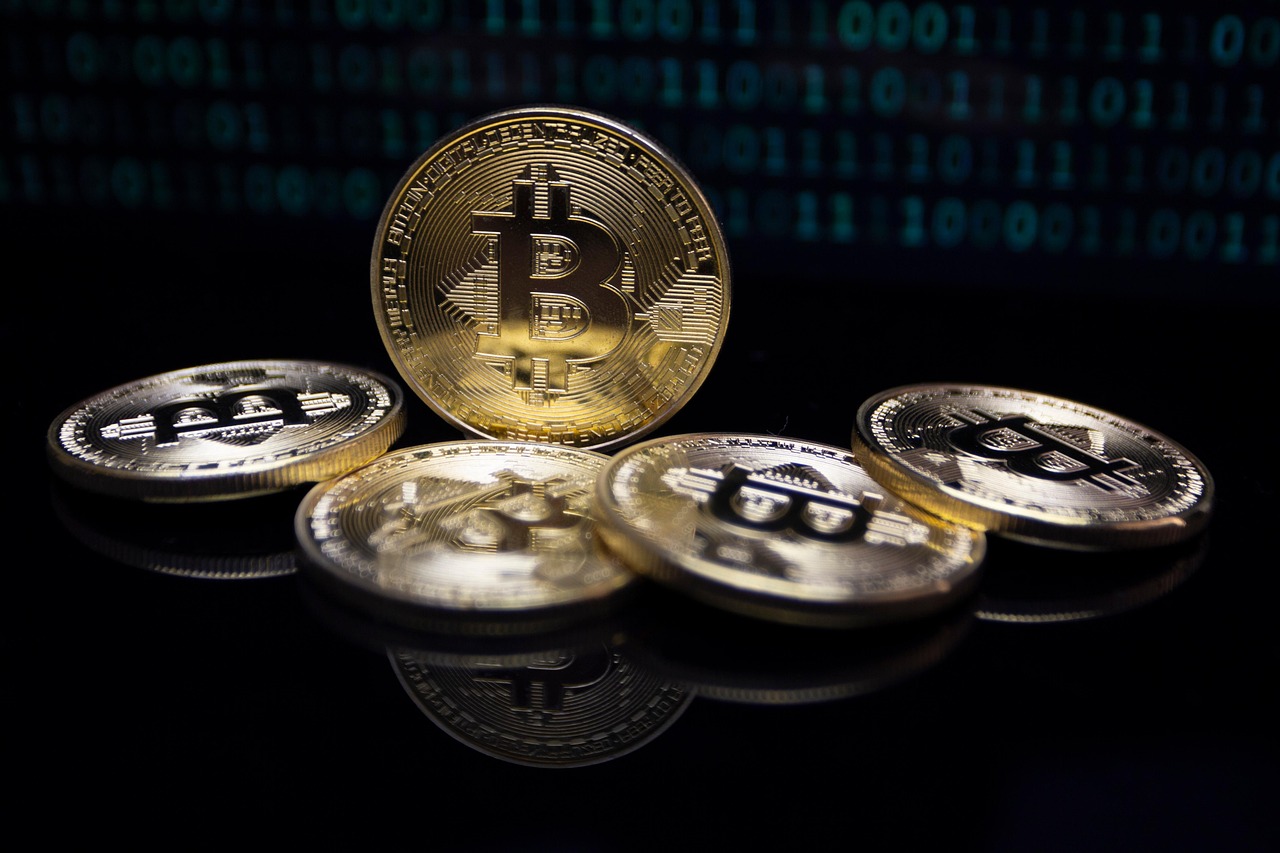
Individuals can use local classifieds, social media groups, or specific platforms designed for local trading to find interested buyers or sellers. This method can offer greater flexibility in terms of negotiating price and payment options.
Security Considerations
When exchanging bitcoins for cash, it is essential to prioritize security. Each method of conversion presents its own set of risks, including fraud or theft. Users are advised to take precautions to ensure their transactions are secure.
For instance, when using cryptocurrency exchanges, it is critical to choose reputable platforms with strong security measures, such as two-factor authentication and adequate safeguards for user funds. In peer-to-peer transactions, utilizing escrow services can provide an extra layer of security. Escrow services hold the bitcoins until both parties confirm the transaction details are complete, minimizing the chance of scams.
Bitcoin ATMs, while generally secure, should be used with caution by verifying the machine’s legitimacy through trustworthy resources. For local cash transactions, meeting in a public place and ensuring both parties confirm the transaction are advisable measures.
Tax Implications of Exchanging Bitcoins for Cash
The act of exchanging bitcoins for cash may have tax implications, as many jurisdictions consider the sale of cryptocurrencies as taxable events. This means that when individuals sell their bitcoins for cash, they may need to report any gains or losses on their tax returns. Deep dive into Exchange Bitcoins For Cash research

Tax regulations regarding cryptocurrency sales vary by country and can depend on various factors including the duration of the holding period and local legislation. Typically, selling bitcoins for more than what one paid will represent a capital gain, meaning that taxes may be due on the profits. It is advisable for individuals to consult local tax regulations or a tax professional to ensure compliance.
Conclusion
Exchanging bitcoins for cash is a process that encompasses various methods, including cryptocurrency exchanges, peer-to-peer marketplaces, Bitcoin ATMs, and local cash transactions. Each method is defined by its structure and accessibility, representing options for individuals wanting to liquidate their cryptocurrency holdings for traditional fiat currency.
However, security and tax implications should not be overlooked during this process. By understanding these aspects and taking appropriate precautions, users can prefer their method of exchange while safeguarding their investments. As the cryptocurrency landscape continues to evolve, having knowledge about how to exchange bitcoins for cash remains crucial for users navigating this dynamic financial space.
Supporting research indicates that the popularity of different methods for cash exchanges may fluctuate based on regional preferences and regulatory environments, making it imperative for users to stay informed about the latest trends in the cryptocurrency ecosystem.
🔍 Top Takeaways
- Broader adoption of Exchange Bitcoins For Cash depends on usability and accessibility improvements.
- Infrastructure around Exchange Bitcoins For Cash is maturing across major platforms.
- Analytical frameworks are becoming more refined for interpreting Exchange Bitcoins For Cash data.
What mistakes should be avoided with Exchange Bitcoins For Cash?
Common mistakes with Exchange Bitcoins For Cash include relying on outdated data, ignoring risk factors and failing to validate assumptions.
Can Exchange Bitcoins For Cash improve trading performance?
Exchange Bitcoins For Cash can improve performance by offering structure, reducing noise and supporting more consistent decision-making.
What future developments may influence Exchange Bitcoins For Cash?
Future developments around Exchange Bitcoins For Cash may include automation, AI-driven insights and clearer regulatory guidelines.